April 1, 2026
Empty Box No More
Exploring emerging trends in luxury interior design and what they mean for procurement.
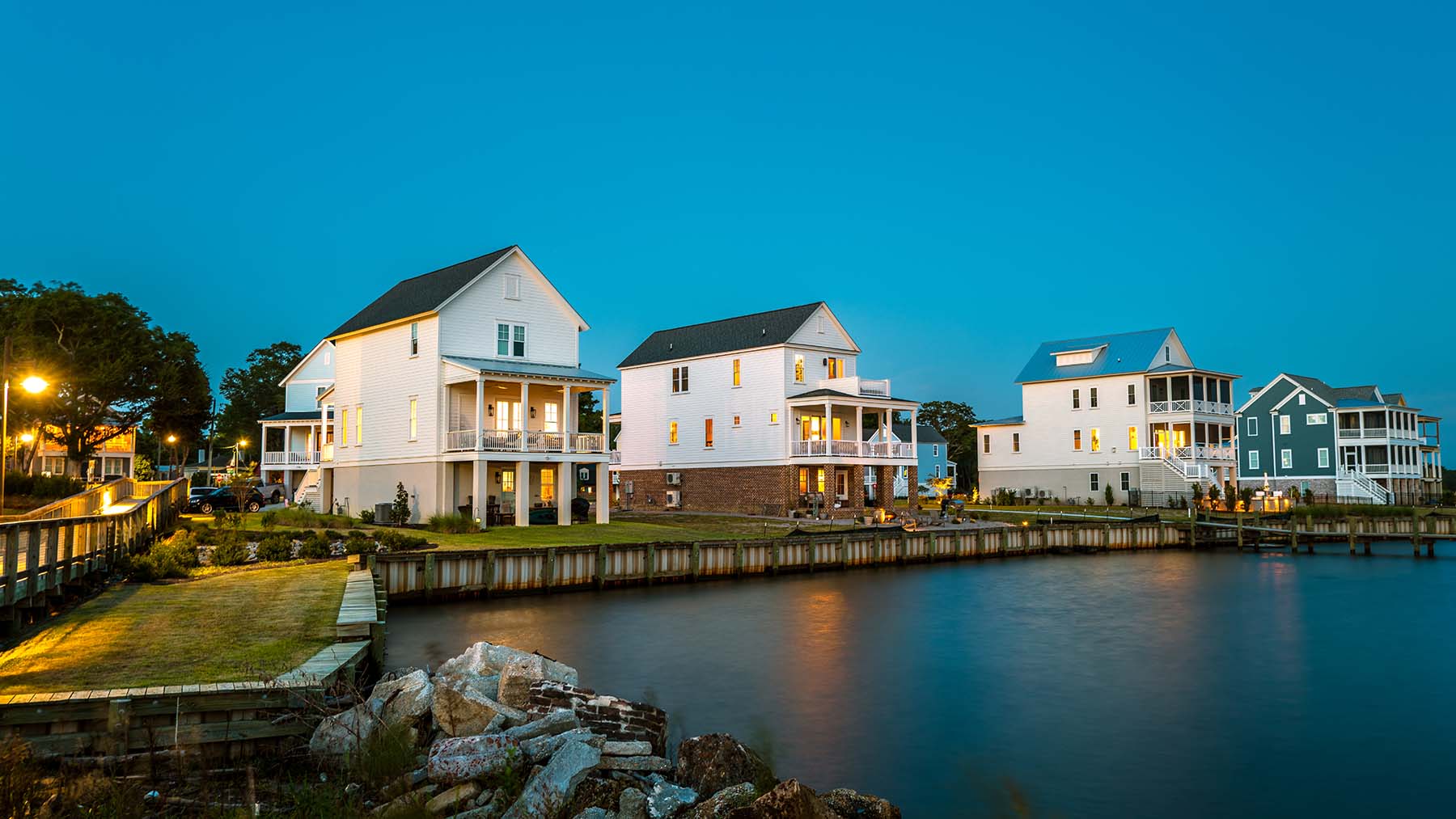
Exploring emerging trends in luxury interior design and what they mean for procurement.
Most developers we work with arrive at the same realization in the same week. The buyer walks through the model unit, signs the contract, and the conversation that mattered most wasn't about the home. It was about what came with the home — the bedding, the dining table, the artwork on the wall, the way the kitchen was set up to look used and loved without ever having been.
That conversation has been quietly changing the math on residential development for a decade. It's just now becoming impossible to ignore.
Buyers are not buying buildings anymore. They are buying lifestyles — finished, furnished, photographable lifestyles they can step into the day the deed is recorded. Developers who recognize this shift early are commanding pricing premiums on otherwise comparable units. Developers who don't are watching their absorption rates slow and their incentive budgets balloon.
This piece is about why that shift happened, what it actually means for developer P&L, and why the developers who get this right in the next 24 months will define their markets for the next decade.
Turnkey residential development is the practice of delivering residential units that are fully furnished, equipped, and immediately livable at the moment of sale or close. Rather than handing the buyer a finished shell — walls, floors, fixtures — turnkey developers deliver a complete environment: furniture, lighting, window treatments, decorative accessories, bedding, kitchenware, and everything in between.
Turnkey is no longer the exclusive language of branded residences, ultra-luxury condominiums, or fractional ownership. It has migrated into second-home markets, urban for-sale product, build-to-rent communities, and vacation rental development. The reason is structural: the buyer profile that wants turnkey is no longer the exception. It is rapidly becoming the rule.
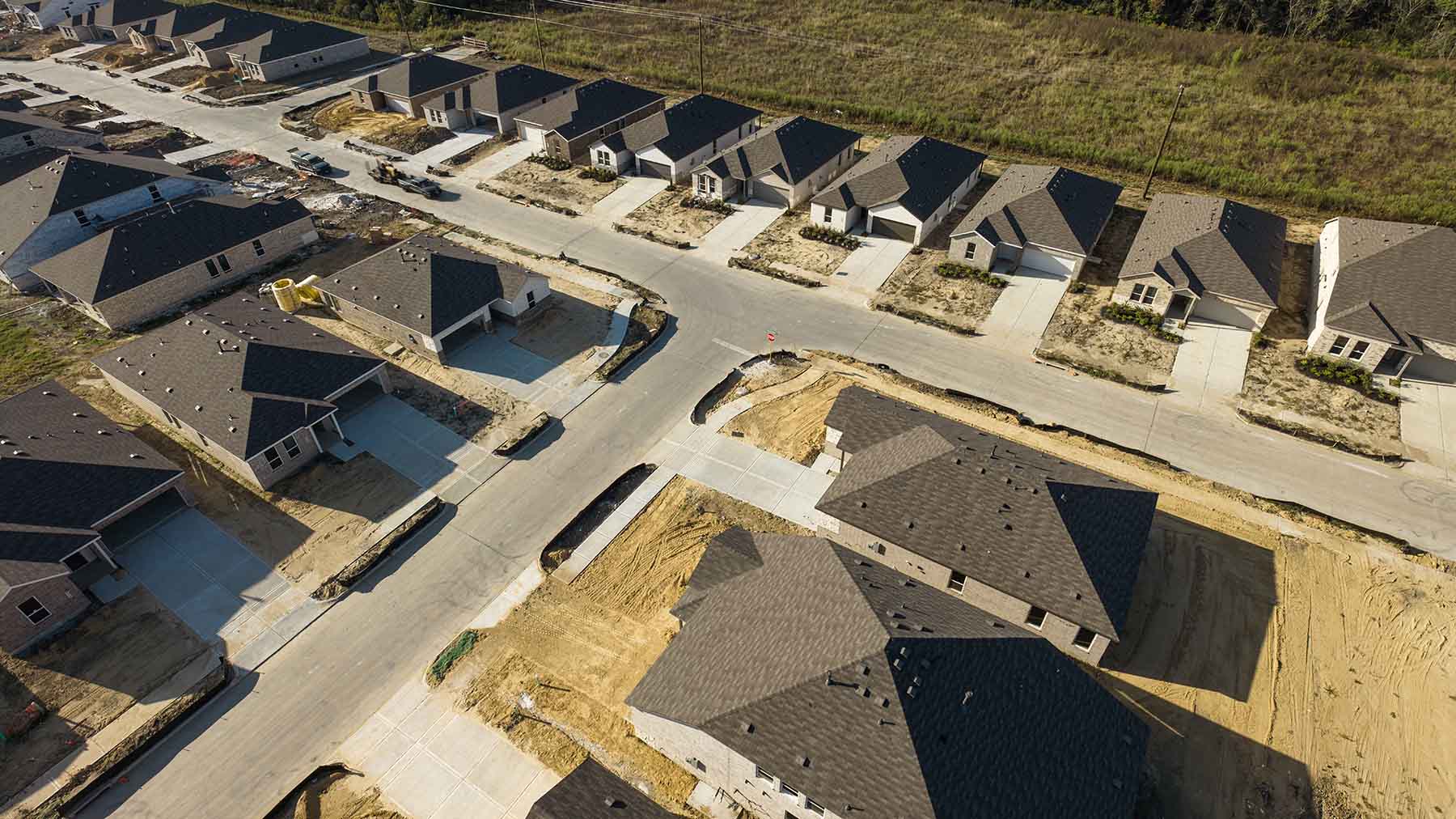
Three forces converged over the last decade to make turnkey expected rather than exceptional.
The first is the rise of short-stay platforms. A buyer who has spent ten years vacationing in fully outfitted Airbnbs and curated villa rentals has been quietly recalibrated. They no longer evaluate a property against an empty unit they can mentally furnish. They evaluate it against the last finished, photographable space they slept in.
The second is time scarcity at the upper end of the market. The buyers who can afford a second home, investment property, or branded residence are the same buyers who have the least time and tolerance for the year-long process of furnishing one. They want the keys, the WiFi password, and a bed they can sleep in that night.
The third — and most underrated — is the role of imagery in the buyer journey. Pre-construction sales now happen overwhelmingly through digital channels. A buyer browsing rendered units cannot evaluate empty rooms. They evaluate rooms that look like a magazine spread. Developers who can deliver that visual at the rendering stage capture attention that developers selling square footage cannot.
The combined result: the unfurnished spec home is becoming the residential equivalent of the builder-grade kitchen. Acceptable. Never aspirational. Never premium.
Inside development companies, the conversation usually arrives at one of two objections: turnkey is expensive, and it complicates the build.
Both objections rest on a misreading of how FF&E packages actually flow through development P&L.
When a developer offers a custom FF&E package as an integrated product offering, three things change at once.
The base unit price holds — or rises — because the unit is now positioned against a premium comp set rather than the unfinished one next door. The FF&E itself is sold to the buyer at a margin, typically 15 to 30 percent above wholesale, capturing revenue the developer would otherwise leave with retail furniture stores. And absorption accelerates, because the finished property closes faster than the unfinished one.
The net effect, for developers who price the package correctly, is two new revenue streams stacked on top of a faster-moving unit. The right partner makes the math even better: bundled vendor pricing, volume discounts on furniture and decorative goods, and consolidated freight that brings the all-in delivered cost below what most developers achieve sourcing piece by piece.
The developers who treat FF&E as a cost line will always conclude that turnkey is too expensive. The developers who treat it as a product line build pricing power and recurring revenue at the same time.
Before going further, it is worth pinning down the three categories that make up a complete turnkey package. Most developer teams use the terms interchangeably, which is part of the reason their procurement chaos compounds.
FF&E stands for Furniture, Fixtures, and Equipment. It covers everything that furnishes a space and is not part of the building structure — sofas, beds, tables, chairs, lighting, window treatments, built-in appliances, and case goods.
OS&E stands for Operating Supplies and Equipment. This is the working inventory of a livable property — linens, towels, kitchenware, glassware, small appliances, hangers, and the supplies that keep a space operationally ready. OS&E becomes especially important for developers building vacation rentals, fractional ownership properties, or any product that will be occupied and turned repeatedly.
Decorative Accessories are the finishing layer — artwork, objects, books, vases, throw pillows, the items that turn a furnished room into a livable one. In photography and on a buyer walkthrough, decorative accessories carry more emotional weight per dollar than any other category.
The three are priced differently, sourced differently, and require different ongoing relationships. Treating them as one undifferentiated procurement line is one of the most common mistakes developers make when they bring this work in-house.
Developers who assemble a turnkey package internally — almost always trying to capture more margin — tend to make the same five mistakes.
They start procurement too late. FF&E lead times for residential-grade furniture run 8 to 16 weeks for in-stock items, and 16 to 40 weeks for custom. Most developers begin sourcing when the building is two-thirds finished. The downstream cost is enormous: unfurnished model units at the start of sales, slipped sales-office openings, holding-cost penalties, and an incentive budget that has to grow to compensate.
They source by line item instead of by package. Sourcing one product at a time prevents the developer from capturing volume pricing, consolidates nothing in shipping, and produces a delivery cadence impossible to coordinate with construction completion.
They underestimate decorative accessories. Decorative is the category most likely to be cut at the end of the budget — and the category that does the most work in the buyer walkthrough. Removing decorative to save 4 percent of package cost often costs 15 percent in absorption speed.
They build vendor management capacity they don't actually want. A turnkey package executed internally requires a coordinator chasing two to three dozen vendors per unit, reconciling invoices, fielding backorders, managing damage claims, and routing reselects. That coordinator's time is the hidden cost no spreadsheet captures.
They treat the package as a one-time event instead of a relationship. Once buyers move in, replenishment begins. Broken glassware. Lost remotes. Replacement towels. Developers who built no infrastructure for the post-close relationship lose the buyer experience right at the moment it becomes most visible — and they hand the management team a headache that quietly damages the brand.
The developers getting this right have done one thing in common: they have stopped treating FF&E, OS&E, and decorative accessories as a procurement problem. They have started treating them as a product line, with the same rigor, partner relationships, and margin discipline they apply to the building itself.
In practice, that looks like four things.
A single partner managing all three categories from concept through buyer delivery, so the developer is not coordinating dozens of vendors against a construction schedule.
Finish boards and rendered images produced before construction is even underway, ready to support pre-construction sales the moment the offering becomes available — because the buyer in pre-construction is the buyer who pays the highest premium for the lowest incentive.
Per-unit packing and delivery, with every home arriving on a single set of pallets, in a single drop, accompanied by placement schematics so the install team is not sorting boxes on the day the buyer walks the property.
And an ongoing relationship that extends past close, so the same partner handling the initial package is also handling replenishment for the management team — protecting the buyer experience long after the contract is signed.
The shift toward furnished, photographable, lifestyle-driven residential is not a trend. It is a structural rebasing of what residential product is supposed to deliver, and it is moving faster in every quarter of new buyer data. Developers who build the infrastructure for this now are setting their pricing power for a decade. Developers who wait until it is the obvious move will find the premium has already migrated downstream to their competitors.
This is what Sterling Collective built Vision Delivery to do. We are not a procurement firm, and we are not a furniture supplier. We are the embedded infrastructure that lets a developer treat furnished residential as a revenue line rather than a cost line — sourcing, coordination, logistics, per-unit delivery, and ongoing replenishment, all running through one partner with the relationships, the technology, and the decades of category expertise to anticipate what a project needs before it needs it.
Buyers stopped buying empty boxes. The developers who build the infrastructure to deliver finished, photographable, livable product at scale are the ones who will define the next decade of residential development.
You sell the vision. We deliver the experience.
Ready to see what's possible? We'll take a look at your current project load and show you exactly how our Vision Delivery process gives you the infrastructure to scale.